How to Find Hidden Mold in Your Attic — and What Happens When Professionals Do
| Team info | |
|---|---|
| Description | 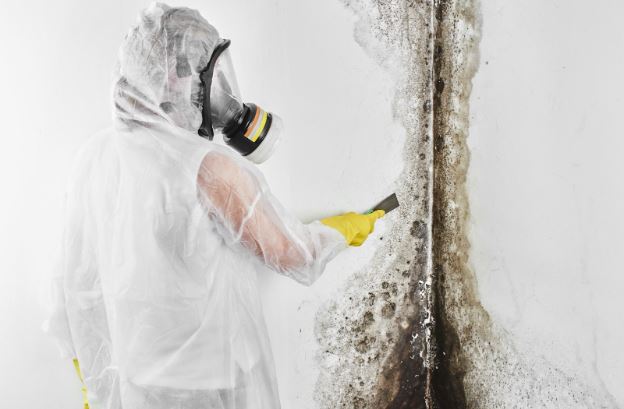 Attic mold is one of the most common — and most overlooked — threats to a home's structural integrity and indoor air quality. Because attics are out of sight and rarely visited, mold can quietly colonize roof decking, rafters, and insulation for months before a homeowner ever notices. If you've detected a musty smell, seen water staining on your ceiling, or simply want peace of mind, knowing what https://damagerestorationexpert.com/services/mold-remediation/ are actually doing during an inspection can help you make informed decisions about your home. Here's a breakdown of the full process, from first inspection to final clearance. The First Step: A Thorough Physical Inspection Every professional attic mold assessment begins with a systematic visual examination. Certified inspectors work their way through the attic scrutinizing the underside of roof decking, rafters, trusses, and all structural framing for signs of microbial activity. This can appear as black, green, or white discoloration — often the earliest visible sign that something is wrong. Water staining or streaking is also flagged, as it points to past or ongoing leaks from the roof or plumbing penetrations. Ventilation is a major focus of this initial walkthrough. Poor airflow is one of the leading contributors to attic mold, so inspectors check that soffit vents aren't blocked by insulation, that baffles are correctly installed, and — critically — that bathroom and kitchen exhaust fans are vented to the outside. When these fans discharge moisture-laden air directly into the attic, they create the warm, humid conditions mold needs to thrive. Advanced Technology: Seeing What the Eye Can't Visual inspection alone isn't enough to catch hidden growth. Professionals use a suite of diagnostic tools to map moisture and detect contamination behind surfaces. Thermal imaging is one of the most valuable. Infrared cameras detect temperature variations across attic surfaces — wet materials cool faster than dry ones, so moisture shows up as a thermal anomaly on screen. This allows technicians to identify problem areas without tearing into walls or ceilings unnecessarily. Moisture meters are then used to validate what the thermal camera flags. Both pin-type and pinless meters measure the moisture content of wood framing and sheathing. Readings above 16–20% in wood substrates are considered above the threshold for mold growth, and any area exceeding this range gets flagged for further investigation. Air quality sampling rounds out the diagnostic picture. Spore trap cassettes collect air samples at standardized flow rates, which are then sent to a laboratory for analysis. Crucially, outdoor air samples are collected at the same time so that indoor spore counts can be compared against a natural baseline — distinguishing between normal environmental fungi and elevated concentrations that signal active growth indoors. Assessing the Severity: How Bad Is It? Once the data is collected, professionals synthesize visual findings, moisture readings, and lab results to determine the scope of the problem. The condition of affected materials plays a major role in deciding what happens next. Porous materials like fiberglass insulation and drywall act like sponges — once saturated with moisture or colonized by mold, they typically can't be cleaned to a safe standard and must be removed entirely. Structural wood components like framing, trusses, and plywood sheathing are a different story. If they remain structurally sound and haven't begun to rot, they can often be remediated in place rather than replaced. Location matters too. Mold found near or within HVAC systems is treated as an urgent priority because the ductwork can distribute spores throughout the entire living space. Inspectors use borescopes — small cameras on flexible cables — to examine concealed cavities and duct interiors that would otherwise be inaccessible. The health profile of the home's occupants also shapes the remediation plan. Households with children, elderly residents, or anyone with a compromised immune system or respiratory condition require stricter containment protocols to ensure zero exposure during the work. The EPA's guidance on mold and health makes clear that moisture control and effective remediation are essential to protecting vulnerable occupants. Remediation: What Actually Happens Not every mold discovery requires tearing out the entire attic. Professionals distinguish carefully between materials that must go and those that can be saved. For salvageable structural components, remediation follows a multi-step cleaning protocol. Surfaces are first vacuumed with HEPA filtration to remove loose spores, then cleaned with antimicrobial solutions. In cases of deeply embedded growth, abrasive methods like sanding or wire brushing may be used. Once cleaned, materials are thoroughly dried to prevent regrowth, and encapsulants may be applied to lock down any remaining particulate and resist future moisture absorption. Before any of this begins, the attic is sealed off from the rest of the home. HVAC systems are shut down, ventilation openings are sealed, and polyethylene sheeting with zipper doors creates a physical containment zone. In many cases, negative air pressure is established inside the work area using air scrubbers vented to the outside — this ensures any airborne spores are drawn into the containment zone rather than escaping into the living space below. Technicians working in this environment wear full personal protective equipment: Tyvek suits, gloves, eye protection, and respiratory protection ranging from N95 masks to full-face respirators with P100 filters. This is non-negotiable given the concentration of spores disturbed during remediation work. Clearance Testing: How You Know It's Done Remediation isn't complete until the results are independently verified. Post-remediation clearance testing involves collecting new air samples from the treated area and comparing them against fresh outdoor baseline readings. A successful outcome means indoor spore concentrations have returned to levels that are comparable to — or lower than — the outside environment, with no visible growth remaining and no malodors present. This final step provides documented confirmation that the attic is safe. The Financial Case for Acting Early Attic mold discovered during a home inspection can complicate a real estate sale significantly, often triggering price negotiations, mandatory remediation before closing, or both. For homeowners not selling, the calculus is straightforward: early detection means less invasive remediation. Catching the problem while it's limited to surface growth on structural framing — rather than waiting until rot has set in — is the difference between a cleaning job and a structural repair project. DIY attempts frequently miss the underlying moisture source or fail to reach hidden growth entirely, leading to rapid recurrence and steadily worsening damage. Professional remediation costs more upfront but consistently proves more economical over time by addressing the root cause rather than the surface symptoms. Attic mold is a serious problem, but it's a solvable one — provided it's caught early and handled correctly. If you've noticed musty odors, visible staining, or any signs of moisture intrusion, don't wait. A professional assessment is the only reliable way to understand the true extent of the problem and protect both your home and the people living in it. |
| Created | 25 Feb 2026 |
| Total credit | 0 |
| Recent average credit | 0 |
| 14e credit | 0 total, 0.00 average (0 tasks) |
| 15e_small credit | 0 total, 0.00 average (0 tasks) |
| 15e credit | 0 total, 0.00 average (0 tasks) |
| 16e_small credit | 0 total, 0.00 average (0 tasks) |
| 16e credit | 0 total, 0.00 average (0 tasks) |
| Cross-project stats | Free-DC SETIBZH BOINCstats.com |
| Country | United States |
| Type | Local/regional |
| Members | |
| Founder | Kelly Wilson |
| New members in last day | 0 |
| Total members | 0 (view) |
| Active members | 0 (view) |
| Members with credit | 0 (view) |
Generated 17 Jun 2026, 16:15:26 UTC